Source Electrical Cabinet for Power Plants, Buildings, and Grids
Compare 30 electrical cabinet options from verified Chinese suppliers. Buyers can evaluate models like GGD and MNS with low voltage ratings, IP30-IP40 protection, and customizable steel or stainless steel shells for diverse industrial applications.
Key considerations
Products List




Comprehensive Sourcing Guide
Strategic Sourcing Guide for Electrical Cabinets
Understanding Technical Specifications and Variability
When sourcing electrical cabinets, buyers must navigate a complex landscape of technical specifications that vary significantly based on the intended application. The product data indicates a wide spectrum of configurations, ranging from low-voltage power distribution units to medium-voltage switchgear. A critical observation in the current market is the diversity in rated voltage levels. Some units are specified for low-voltage operations, while others are engineered for medium-voltage environments with ratings explicitly listed as 12kV, 24kV, or 36kV. This distinction is paramount, as selecting a cabinet with an incorrect voltage rating can lead to catastrophic system failure.
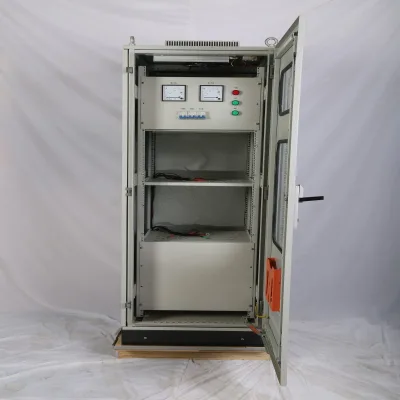
The physical structure and form factor of the cabinet are equally variable. Buyers may encounter single-door or double-door constructions, with structural types ranging from floorstanding units to withdrawable configurations. The "All-Packaged Type" and "Metalclad Withdrawable" forms suggest a high degree of integration and safety, particularly in industrial settings where maintenance access is critical. Furthermore, the shell material is a primary determinant of durability. While some listings specify steel plate or galvanized steel, others highlight stainless steel, which offers superior corrosion resistance. The finishing process, often an epoxy polyester coating, serves as the first line of defense against environmental degradation.
Dimensions and model numbers also lack a universal standard in the observed data. Specific models like GGD and MNS have defined standard dimensions, such as widths of 600mm to 1200mm and heights up to 2200mm. However, other entries list "customized" models with dimensions like 300300150mm or entirely bespoke standard requests. This variability necessitates that buyers do not assume a one-size-fits-all approach. Instead, procurement teams must verify the exact internal layout, busbar capacity, and breaker types, which can be fixed or drawable, to ensure compatibility with existing infrastructure.
Compliance, Certification, and Safety Standards
Compliance with international and local standards is non-negotiable in the electrical equipment sector. The observed product data lists certifications such as CCC (China Compulsory Certification) and ISO9001, which indicate a baseline commitment to quality management systems and product safety. However, buyers must exercise caution and verify that these certifications are current and applicable to the specific model being purchased. For instance, while "ISOCurrent:AC" is mentioned, this appears to be a specific attribute rather than a broad certification, and its validity should be confirmed against the relevant electrical safety standards for the target market.
Safety ratings, particularly the Ingress Protection (IP) grade, are critical for determining where a cabinet can be installed. The data shows a range of protection levels, with some units rated at IP30 and others at IP40. An IP30 rating generally protects against objects larger than 2.5mm but offers no protection against water, making it suitable for indoor, dry environments like control rooms. An IP40 rating provides better protection against solid objects but still lacks water resistance. For outdoor installations or harsh industrial environments, buyers must actively seek cabinets with higher IP ratings, such as IP54 or IP65, which are not explicitly confirmed in the provided list but are industry standards for such conditions.
Environmental operating limits are another area requiring strict verification. The observed data cites an ambient temperature range of -35°C to +40°C and an altitude specification, though the specific altitude limit is not numerically defined in the text. Seismic capacity is noted as 8 degrees in some contexts, which is vital for installations in earthquake-prone regions. Buyers should not assume that all listed cabinets meet these environmental thresholds. It is essential to request specific test reports or compliance certificates that validate the cabinet's performance under the specific climatic and seismic conditions of the project site.
Cost Drivers and Pricing Dynamics
The pricing for electrical cabinets is highly volatile and influenced by multiple factors beyond simple manufacturing costs. The observed price range in the market spans from $6.66 to $10,000, a disparity that reflects the vast difference between small, simple enclosures and complex, high-voltage switchgear systems. Several key drivers contribute to this variance. First, the material composition plays a significant role; cabinets constructed from stainless steel or featuring specialized epoxy polyester coatings will inherently cost more than those made from standard galvanized steel.
Second, the level of customization is a major cost determinant. While "Custom" is listed as an available attribute, the degree of customization varies. A cabinet with a standard model number like GGD or MNS will generally be more cost-effective than a fully bespoke unit with unique dimensions, internal layouts, or specialized breaker types. The "Customized" standard and "Customised" packing options suggest that buyers can tailor the product, but this flexibility often comes with a premium. Additionally, the rated current and voltage significantly impact price. A unit rated for 630A at 0.4kV will differ in cost from a medium-voltage unit rated for 12kV or 24kV, which requires more robust insulation and safety mechanisms.
Packaging and logistics also influence the final landed cost. The data mentions "Carton" and "Plywood Case" as packing types. Plywood cases are typically more expensive but offer superior protection for heavy, high-value equipment during international shipping. Buyers should consider the total cost of ownership, including shipping, insurance, and potential customs duties, rather than focusing solely on the unit price. The Minimum Order Quantity (MOQ) observed ranges from 1 to 10 units, which can affect the per-unit cost. Smaller orders may incur higher unit prices due to setup costs, while bulk orders might benefit from economies of scale, though this is not guaranteed without specific supplier negotiation.
Typical Applications and Industry Segments
Electrical cabinets serve a diverse array of industries, and understanding the specific application requirements is crucial for selecting the right product. The observed data highlights applications in power plants and high-rise buildings. In power plants, reliability and safety are paramount. Cabinets used here often require the "Metalclad Withdrawable" structure and high IP ratings to withstand harsh conditions and ensure continuous operation. The "Protection" structure type suggests a focus on safeguarding internal components from external hazards, which is essential in large-scale generation facilities.
For high-rise buildings, the focus shifts to space efficiency and fire safety. Floorstanding cabinets are common in these environments, providing a stable base for power distribution. The "Fixed" installation type is frequently used in building management systems where the equipment does not require frequent movement. The "Single Door" or "Double Door" configurations allow for flexible access in confined spaces like elevator shafts or mechanical rooms. Furthermore, the "3 Phase" and "Three Phase" attributes indicate that these cabinets are designed for standard industrial and commercial power distribution, which is the backbone of high-rise infrastructure.
Beyond these primary applications, the versatility of the cabinets allows for use in various other sectors. The "Low Voltage" and "Medium Voltage" classifications suggest suitability for everything from small commercial facilities to large utility substations. The "Breaker Type" options, including fixed and drawable, cater to different maintenance strategies. In facilities where downtime must be minimized, withdrawable breakers allow for easy replacement without de-energizing the entire system. Buyers should match the cabinet's structural and functional attributes to the specific operational demands of their facility, ensuring that the selected unit can handle the expected load and environmental stress.
Supplier Evaluation and Verification Protocols
Evaluating suppliers for electrical cabinets requires a rigorous approach to ensure product reliability and long-term support. The data indicates that products originate from locations such as Foshan, Guangdong, China, and generally from China. While this provides a geographical context, it does not guarantee quality. Buyers must verify the supplier's manufacturing capabilities, specifically their ability to meet the "Custom" and "Custiomized" (sic) standards mentioned in the data. A supplier claiming to offer customization must demonstrate a proven track record of delivering bespoke solutions that meet exact specifications.
Verification of certifications is a critical step in the evaluation process. While CCC and ISO9001 are listed, buyers should request valid certificates for the specific production batch. It is also important to check if the supplier adheres to international standards beyond the listed ones, such as IEC or UL, depending on the destination market. The "Seismic Capacity" and "Ambient Temperature" claims should be backed by third-party test reports. Buyers should not rely solely on the supplier's word but demand documented evidence of performance under the specified conditions.
Communication and transparency are also key indicators of a reliable supplier. The presence of "Custom" attributes suggests a collaborative process, but buyers must ensure the supplier is responsive and capable of providing detailed technical drawings and specifications before production begins. The "Installation: Fixed" and "Structure: Cabinet" attributes should be clearly defined in the contract to avoid misunderstandings regarding the final product. Additionally, buyers should inquire about the supplier's quality control processes, including in-line inspections and final testing protocols, to ensure that every unit meets the required standards before shipment.
Quality Control and Long-Term Procurement Considerations
Ensuring the quality of electrical cabinets involves a multi-stage approach, from raw material inspection to final assembly. The "Shell Material" and "Finished" attributes, such as epoxy polyester coating, must be verified for consistency and thickness. Buyers should request samples or detailed material certificates to confirm that the steel plate or stainless steel meets the specified grade. The "Epoxy Polyester Coating" process should be inspected to ensure it provides adequate protection against corrosion and wear, especially in humid or chemically aggressive environments.
Long-term procurement considerations extend beyond the initial purchase. Buyers should evaluate the availability of spare parts and the supplier's ability to provide technical support over the lifespan of the equipment. The "Breaker Type" and "Latch" mechanisms, such as the "Quater Lock" or "Handle Lock," are critical components that may require replacement or maintenance. A supplier that offers a robust after-sales service network is essential for minimizing downtime. Furthermore, the "Standard" and "Model" specifications should be documented clearly to ensure future compatibility and ease of expansion.
The "Altitude" and "Seismic Capacity" factors also have long-term implications. If a project is located in a high-altitude or seismic zone, the cabinet must be designed to withstand these conditions indefinitely. Buyers should verify that the supplier has experience with such projects and can provide references. Finally, the "Product Packing" method, whether "Carton" or "Plywood Case," should be evaluated for its ability to protect the equipment during transit and storage. Proper packaging ensures that the cabinet arrives in pristine condition, ready for immediate installation and operation. By focusing on these quality control and long-term factors, buyers can secure a reliable supply of electrical cabinets that meet their operational needs for years to come.
Comparative Analysis of Key Attributes
To assist buyers in making informed decisions, the following table summarizes the key attributes observed in the market, highlighting the variability and specific requirements for different applications.
| Attribute Category | Observed Options | Critical Verification Point |
|---|---|---|
| Rated Voltage | Low Voltage, 0.4kV, 12kV, 24kV, 36kV | Must match system voltage exactly; medium voltage requires specific insulation. |
| Shell Material | Steel Plate, Galvanized Steel, Stainless Steel | Verify grade and coating thickness for corrosion resistance. |
| IP Protection | IP30, IP40 | Higher IP required for outdoor or wet environments; verify test reports. |
| Structure | Single/Double Door, Floorstanding, Withdrawable, Cabinet | Ensure structural type matches maintenance and space requirements. |
| Certification | CCC, ISO9001, ISOCurrent:AC | Validate current status and scope of certification for the specific model. |
| Customization | Available, Customized, Custom | Confirm lead times and cost implications for bespoke designs. |
| Origin | China, Foshan, Guangdong | Verify logistics, import regulations, and supply chain stability. |
| Ambient Temp | -35°C to +40°C | Confirm suitability for local climate conditions. |
This comparison underscores the necessity of a detailed specification review before placing an order. Buyers must align their specific project requirements with the available options to ensure optimal performance and safety.
FAQs
What certifications do electrical cabinets typically have?
Electrical cabinets typically hold CCC and ISO9001 certifications. These indicate compliance with quality management systems and safety standards. Buyers should verify that these certifications apply to the specific model being purchased to ensure validity.
Which voltage levels are available for these cabinets?
Available voltage levels include low voltage and medium voltage ratings of 12kV, 24kV, or 36kV. Selecting the correct rating is critical to prevent system failure. Always confirm the rated voltage matches your specific power distribution requirements.
Can I request custom dimensions for the cabinet?
Yes, customization is available for dimensions and standard specifications. While models like GGD and MNS have fixed sizes, others can be tailored to specific needs. Buyers must verify exact internal layouts and busbar capacity before ordering bespoke units.
How is the shell material selected for durability?
Shell materials include steel plate, galvanized steel, or stainless steel. Stainless steel offers superior corrosion resistance, while epoxy polyester coating provides environmental protection. The choice depends on the installation environment and required lifespan of the equipment.
What is the minimum order quantity for purchase?
The minimum order quantity ranges from 1 to 10 units depending on the supplier. Smaller orders may incur higher per-unit costs due to setup fees. Bulk orders might benefit from economies of scale, but this requires specific negotiation with the vendor.
Where are these electrical cabinets manufactured?
Products originate from China, with specific locations including Foshan, Guangdong. Buyers should verify the supplier's manufacturing capabilities and location to ensure quality control. Origin information helps in assessing logistics costs and potential customs duties for international shipping.